Workshop / Mini-Conference
Food, Nourishment
and Metabolic Justice
in the Extractive
Frontiers
Introduction
Nourishing ecologies at the extractive frontier
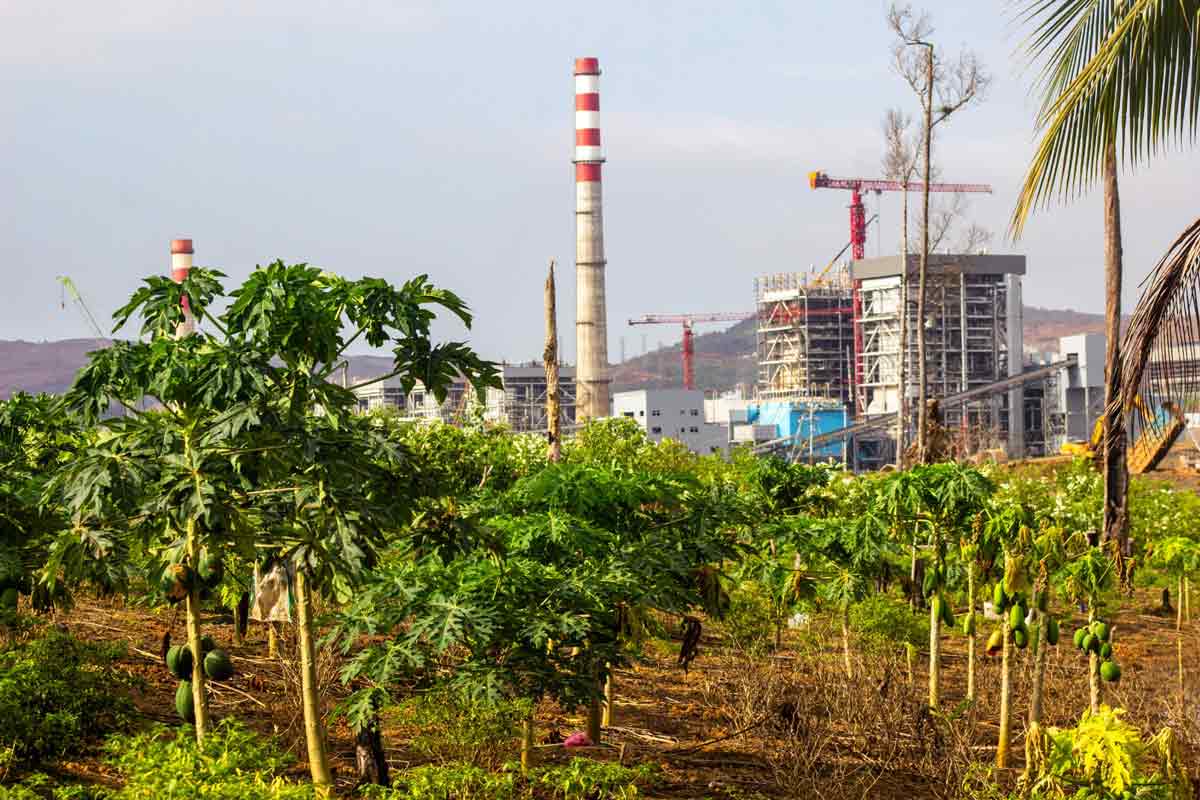
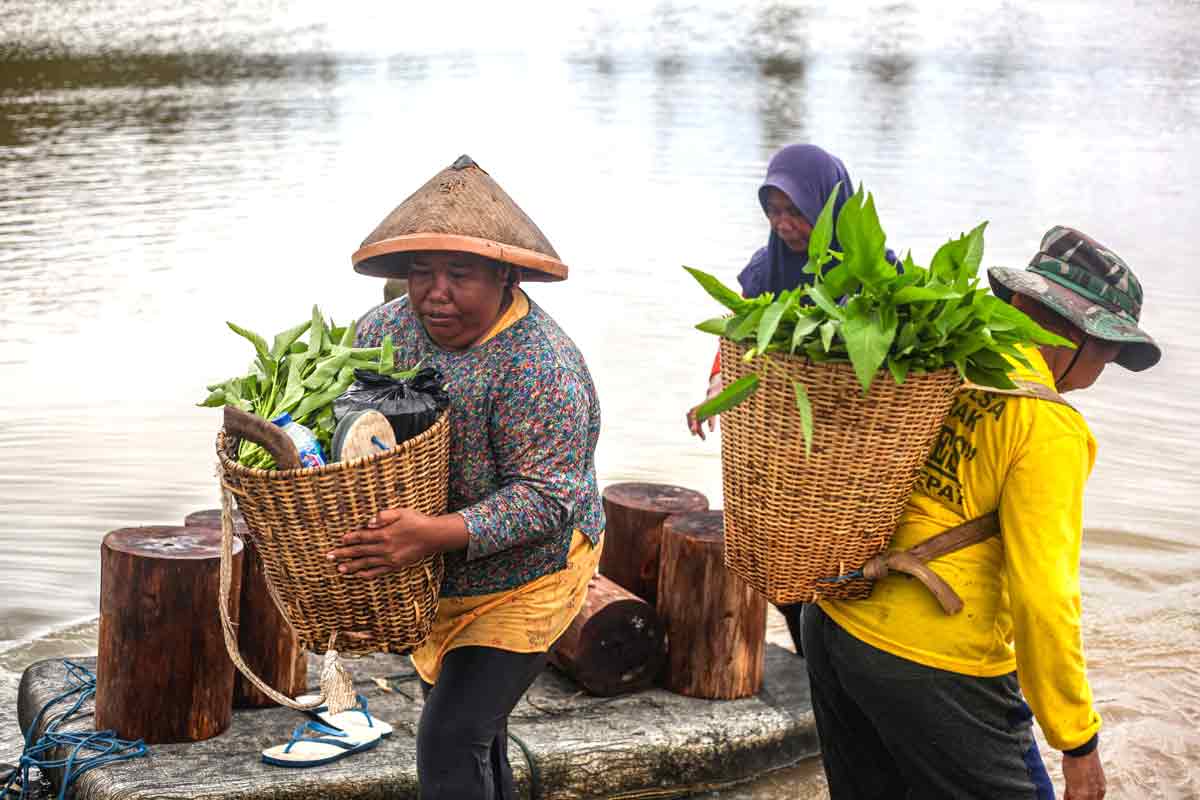
Institute, Czech Academy of Sciences, in collaboration with KITLV / Royal Netherlands Institute of Southeast Asian and Caribbean Studies, invites scholars with a solid fieldwork background, primarily in the Indo-Pacific but not limited to it, to present research examining contemporary issues in food, nourishment, and extractivism. The extractive imperative (Jacka 2018: 22), stemming from the necessity of self-consuming capitalist growth, has increasingly devoured nourishing ecologies (forests, rivers, swamps, coastal areas, mountains, lakes, and small islands etc.) and transformed them into mining concessions, plantation zones, large-scale agricultural production which, ironically, are often justified by the global narrative of energy transition, food insecurity, and climate change mitigation. These ecologies are living social arenas that convey emotion, memory, feeling, and empathy, and encompass a range of practices, interactions, skills, and affects that together reanimate human and more-than-human relations and sustain the intricate web of life. The depletion of nourishing ecologies and the insatiable appetite of capitalist extraction prompt scholars to rethink food, nourishment, and extractivism as "metabolic (in)justice" (Chao 2023; 2025: 167), a process that intricately links individual physical health, cultural wellbeing, ecologies, and multiscalar but uneven power relations. The lens of metabolic justice attends how nourishment is still primarily constituted by multispecies relations and more-than-human interdependency, but increasingly shaped by the legacy of colonialism, capitalist frontiers, and the global food system.
A major concern of the workshop is to reflect on how social, cultural, and nutritional aspects of nourishment (identity, multispecies relations, value, kinship, beliefs, politics, history, and technologies) are shaped, constituted, and transformed by extractive activities. Possible research questions include, but are not limited to, what nourishing practices across sites, scales, species, and subjects embody metabolic justice? How do extractive activities generate metabolic (in)justice in the human body, landscape, and society? How do people creatively resist metabolic (in)justice and rework nourishing practices? How do people reimagine a nourishing future in extractive zones? The workshop also asks possible questions on methodology: What challenges do researchers encounter when they experience the transformation of a nourishment site and practice? What is the limit of ethnographic methods in addressing and telling metabolic (in)justice?
Workshop Themes
Foodways & Identity
Social, cultural and nutritional aspects of foodways encompassing identity, multispecies relations, value, kinship, beliefs, politics, history, and technologies in the age of extractive imperative.
Metabolic (In)Justice
How extractive activities generate metabolic (in)justice in the human body, landscape, and society — and what it means to have healthy food and a healthy body in the age of extractivism.
Resistance & Reimagination
How people creatively resist metabolic (in)justice and rework nourishment practices, and how people reimagine a nourishing future in the ruined extractive zones.
Struggle & Possibility
How nourishment becomes a site of struggle and possibility in the extractive frontiers, encompassing politics, history, and technologies of food and the body.
More-than-Human Relations
Nourishment as primarily constituted by interspecies relations and more-than-human interdependency, increasingly shaped by the legacy of colonialism, capitalist frontiers, and the global food system.
Artistic Contributions
Photo essays, films, and other artistic contributions that open up further questions and perspectives on key themes: food, nourishment and extractivism.
Key Research Questions
What nourishing practices across sites, scales, species, and subjects embody metabolic justice?
What does it mean to have healthy food and a healthy body in the age of extractivism?
How do extractive activities generate metabolic injustice in the human body, landscape, and society?
How does nourishment become a site of struggle and possibility in the extractive frontiers?
How do people creatively resist metabolic injustice and rework nourishing practices?
What challenges do researchers encounter when they experience the transformation of a nourishment site and practice?
Important Dates
How to Apply
Submit Your Abstract
This workshop will bring together a select group of 10–15 participants for formal presentations, a photo essay, a film, and other artistic contributions that open up further questions and perspectives on key themes: food, nourishment and extractivism.
To participate in this on-site workshop, please send an abstract of 300 words and a short biographical sketch to the address below by 31 July 2026. Selected applicants will be notified by August 31, 2026.
Selected participants will be expected to submit a longer draft (approximately 3,000–5,000 words) by early October. Drafts will be circulated among participants to facilitate in-depth discussion and potentially followed up for an edited volume or special issue in a journal.
Please indicate whether you will need financial support to participate in the workshop.
✉ [email protected]